
Built in the 17th century, it retains intact its centuries-old charm
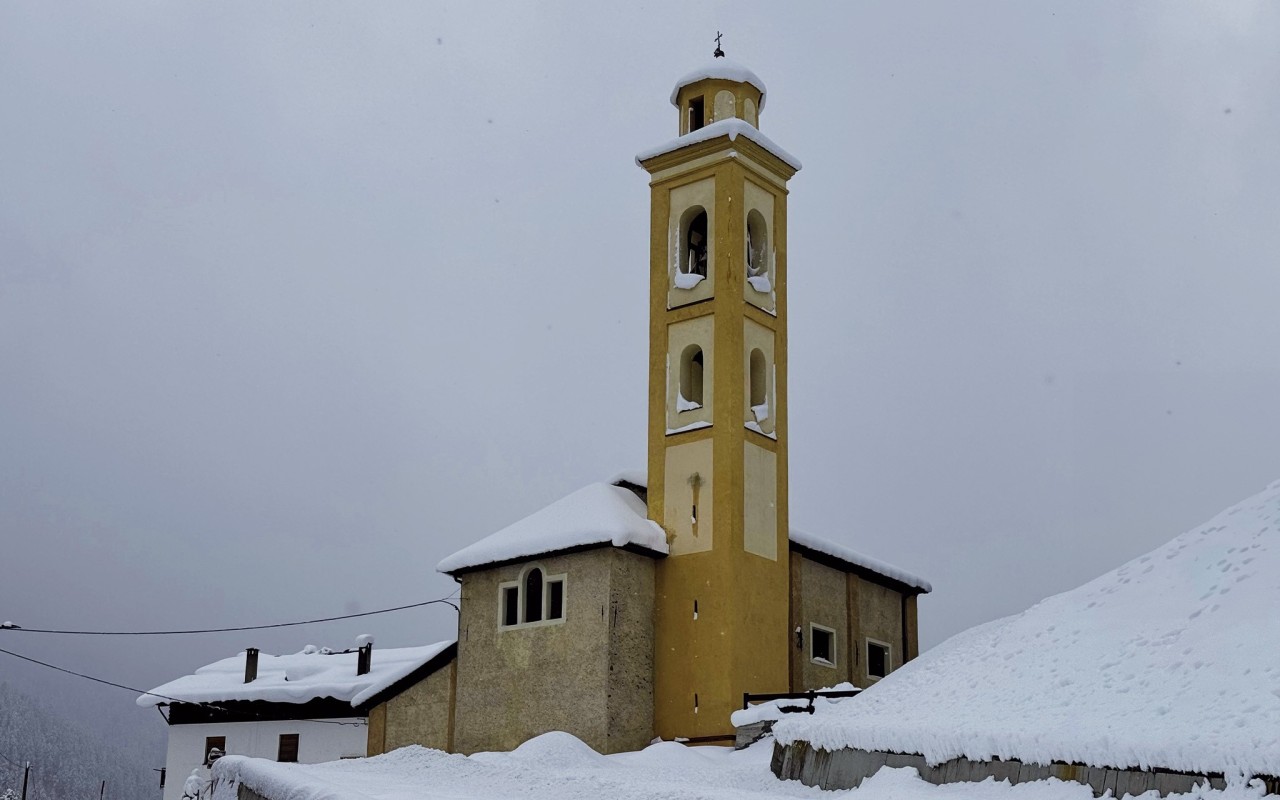

Work began around 1640 and was completed within twenty years. The church's architecture, with a single nave, is essential; the only baroque note is the bulbous bell tower, erected in 1675. Initially, there were representations of Saints Roch and Sebastian on the façade, but unfortunately, they lost over the centuries.
Inside the church, on the main altar, there is a large 18th-century wooden panel decorated with a 17th-century painting by an unknown author from the parish church of Semogo. The canvas depicts St Charles praying before the Madonna and Child.
The 'most chaste' Carlo Borromeo (1538-1584) was particularly venerated in the Bormio area: an autograph letter of his, kept in the collegiate church in Bormio, was considered almost a relic. Several water springs in the area were dedicated to St Charles and were believed to have healing powers. One of these springs is located on the opposite side of the church, in the so-called Bosco del Conte. Legend has it that it was St. Charles himself who blessed the spring and made it miraculous; his footprint on the rock from which the water gushes is said to testify to this, although historically unconfirmed.
The church is only open and accessible to the public during religious celebrations.
Are you interested in more information?
 Info & commuications
Mountain roads, as agro-sylvo-pastoral roads, are subject to specific regulations governing how they can be accessed.
 Info & commuications
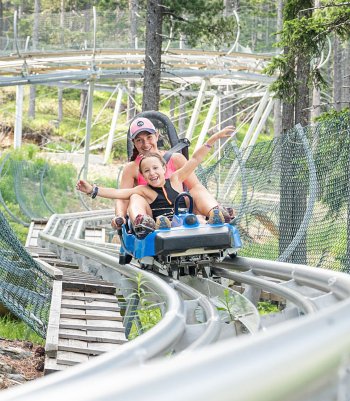
From 4 July, a summer of fun and adventure kicks off with the summer reopening of the Cima Piazzi Happy Mountain gondola lift and the Family Bob!
 Info & commuications
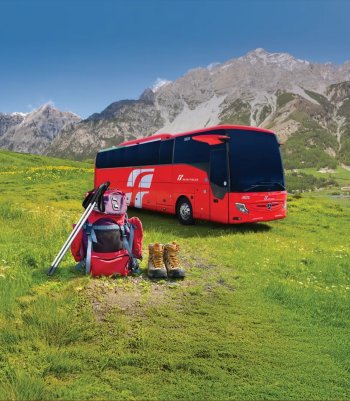
From 11 June, the Livigno Link service – the Busitalia bus service connecting Milan with Bormio, Valdidentro and Livigno – is back
 Info & commuications
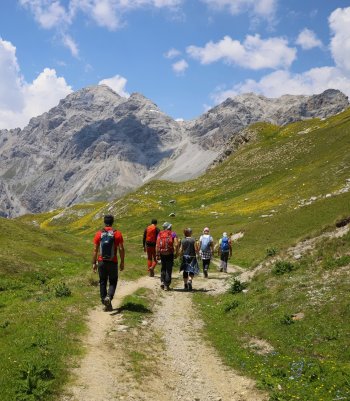
Valdidentro offers a wide range of guided walks and hikes with Guide Bormio: nature, panoramic views, alpine lakes, history and activities to help you explore the area step by step
 Info & commuications
A service dedicated to residents, tourists, and young people to get around safely, without relying on a car
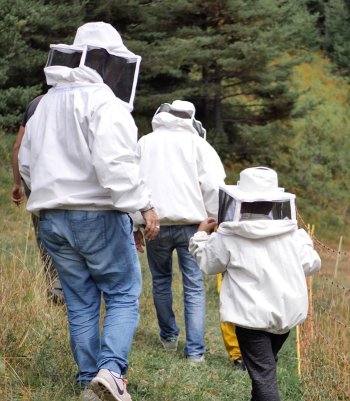
An opportunity to discover the invaluable work of bees, and a chance to rediscover the natural beauty of Valdidentro!
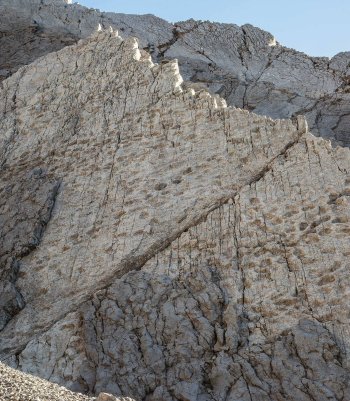
A hike through the wild landscape of the Cime di Plator, offering stunning views of the Cancano Lakes. A route that takes you on a journey to discover extraordinary dinosaur footprints
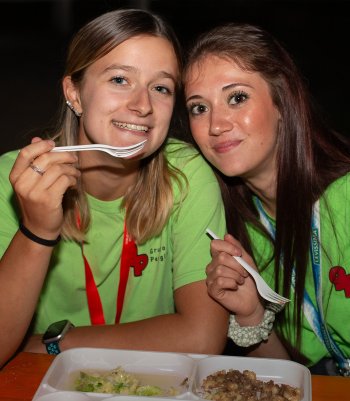
The traditional Premadio village festival: music, typical food and entertainment for everyone.
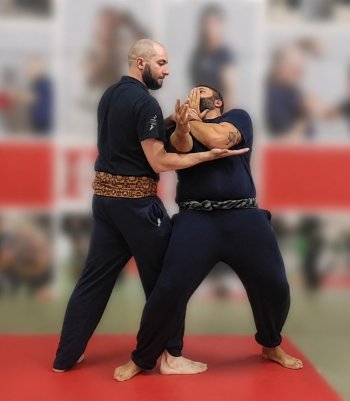
The ancient martial art of Silat comes to Valdidentro: a morning workshop to get to know your body and foster both physical and inner growth
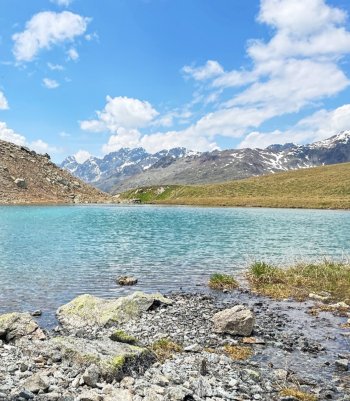
A circular hike to Lake Selva, a small alpine lake nestled amongst pastures, woods and gentle scree slopes, offering splendid views of the Val Viola and the surrounding peaks


 Book a camp


