
Perched high above a rock formation, the church of Pedenosso dominates the valley panorama
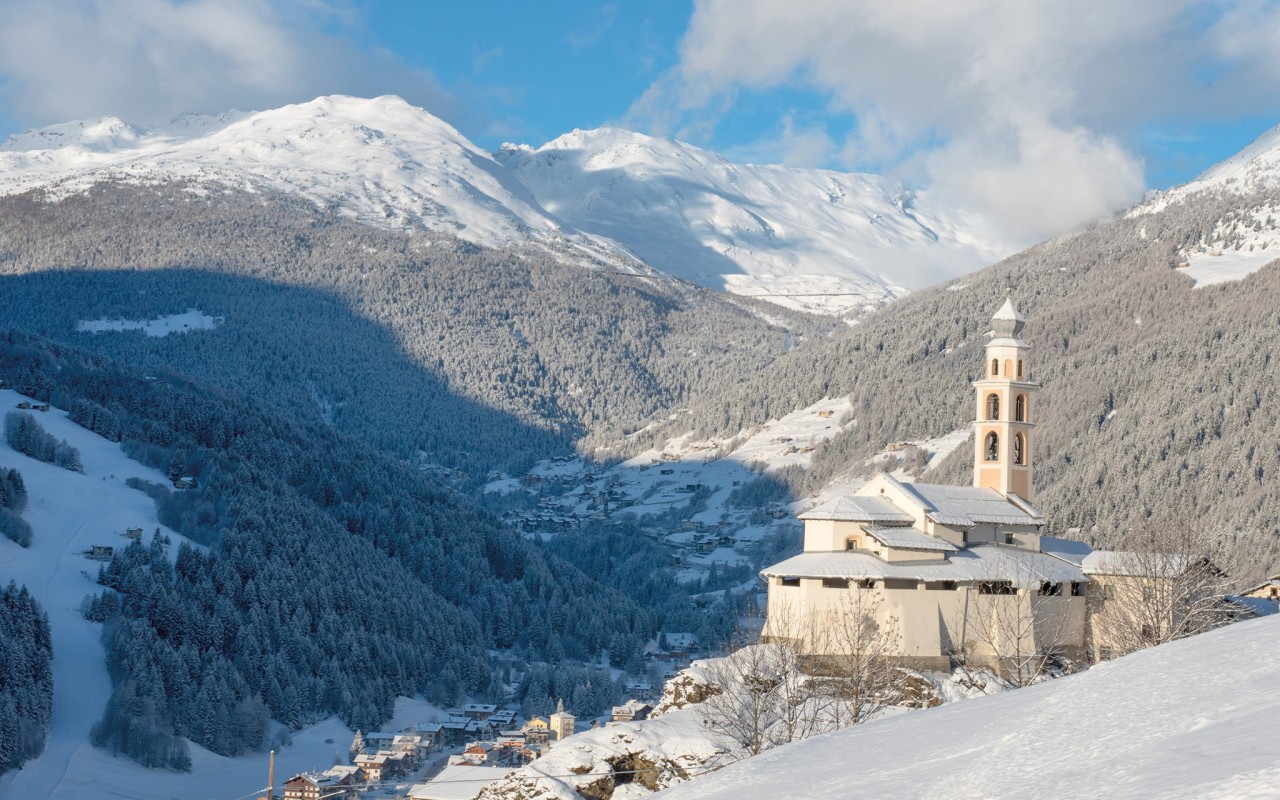

The parish church of Ss. Martino and Urbano in Pedenosso, situated in a dominant position relative to the village of Isolaccia, welcomes the visitor with a scenic flight of steps and a fresco on the façade depicting S. Martino sharing a cloak with the poor man, the work of Johann Georg Telser.
Its perched position, the entrance surrounding the building, the subtle openings in the walls, the bell tower, the asymmetry in the architecture, and the dedication to the warrior saint suggest that St. Martin was originally a fortress church. The co-dedication to St Urban was added in 1624, during the Counter-Reformation.
Although no historical documents confirm its antiquity, the church is undoubtedly ancient, possibly dating back to the Carolingian period. The Franks spread the cult of St Martin, the soldier who converted to Christianity, which is well documented in Alta Valtellina.
In 1334, the church was already in existence, as indicated in the Statutes of the Contado di Bormio of the time, which ordered the transport of the Holy Cross from Bormio to the church of Pedenosso. The latter later became a parish church in 1453. Information on the building up to the 17th century is scarce: it was used as an observation post during the Wars of Religion and later deprived of its possessions, even becoming a stable for horses.
After the conflicts, the church abandoned its military connotation to assume its current appearance. It was renovated, the roof replaced, the sacristy rebuilt, and the exterior porch and staircase added. Internally, four side chapels and new windows were added.
In 1668, the Altar of the Rosary was decorated with a wooden altar carved by the brothers Michele and Melchiorre Cogoli, later gilded by the Bormio-born Fogaroli, and completed with a valuable scagliola frontal. In the early 18th century, the chapel of St. Anthony was also completed.
The coffered ceiling and wall decoration of the presbytery by Telser are significant examples of local art. From 1760, the artist from Sluderno in the Vinschgau masterfully used colors and chiaroscuro on the vault and the apsidal walls.
In the 1990s, a careful restoration restored the church to its splendor. During the work, a 16th-century fresco, in popular style, was discovered behind the high altar, depicting Adam and Eve tasting the forbidden fruit, which scholars attribute to the local artist Antonio Canclini.
The church is only open and accessible to the public during the usual religious celebrations or guided tours organized by the Valdidentro Tourist Office during the summer.
Are you interested in more information?
 Info & commuications
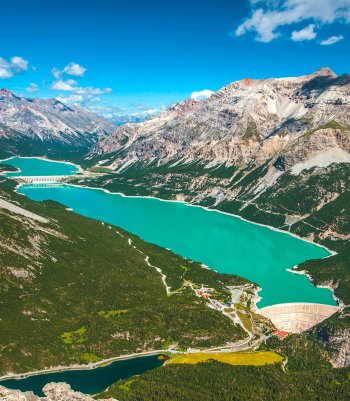
Mountain roads, as agro-sylvo-pastoral roads, are subject to specific regulations governing how they can be accessed.
 Info & commuications
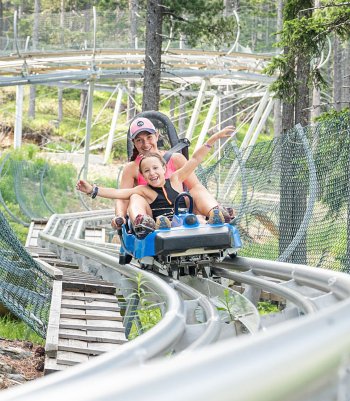
From 4 July, a summer of fun and adventure kicks off with the summer reopening of the Cima Piazzi Happy Mountain gondola lift and the Family Bob!
 Info & commuications
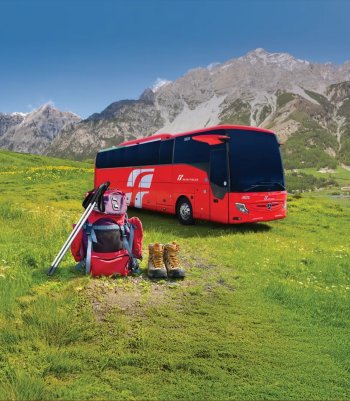
From 11 June, the Livigno Link service – the Busitalia bus service connecting Milan with Bormio, Valdidentro and Livigno – is back
 Info & commuications
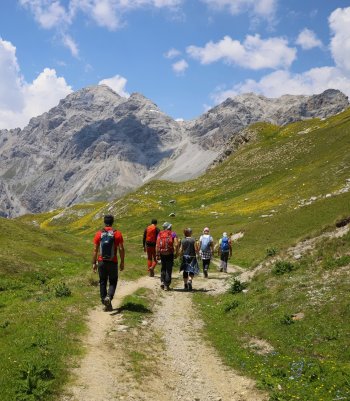
Valdidentro offers a wide range of guided walks and hikes with Guide Bormio: nature, panoramic views, alpine lakes, history and activities to help you explore the area step by step
 Info & commuications
A service dedicated to residents, tourists, and young people to get around safely, without relying on a car
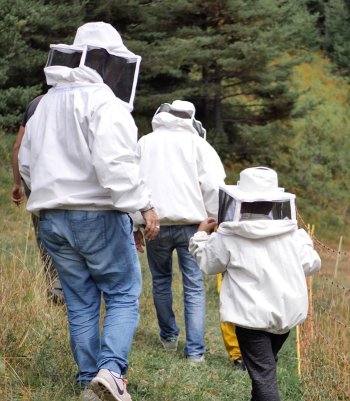
An opportunity to discover the invaluable work of bees, and a chance to rediscover the natural beauty of Valdidentro!
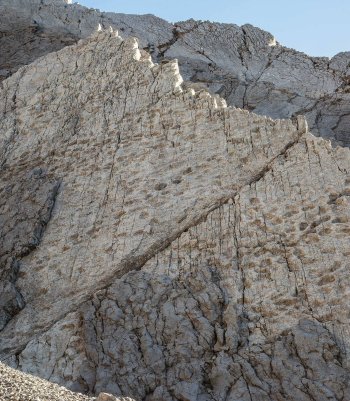
A hike through the wild landscape of the Cime di Plator, offering stunning views of the Cancano Lakes. A route that takes you on a journey to discover extraordinary dinosaur footprints
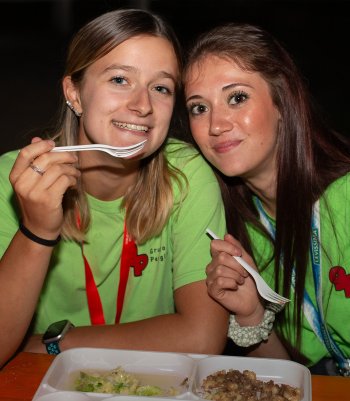
The traditional Premadio village festival: music, typical food and entertainment for everyone.
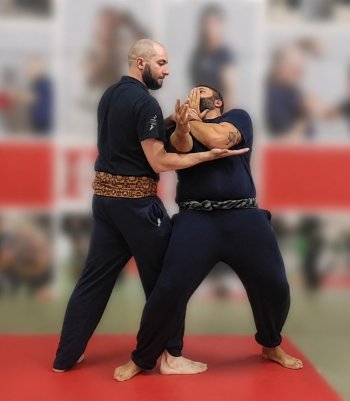
The ancient martial art of Silat comes to Valdidentro: a morning workshop to get to know your body and foster both physical and inner growth
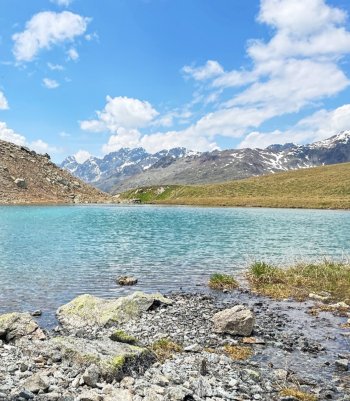
A circular hike to Lake Selva, a small alpine lake nestled amongst pastures, woods and gentle scree slopes, offering splendid views of the Val Viola and the surrounding peaks


 Book a camp


